8 Oct 2026
Archives Reveal 19th Century French Roulette Wheel Modifications That Altered Game Probabilities
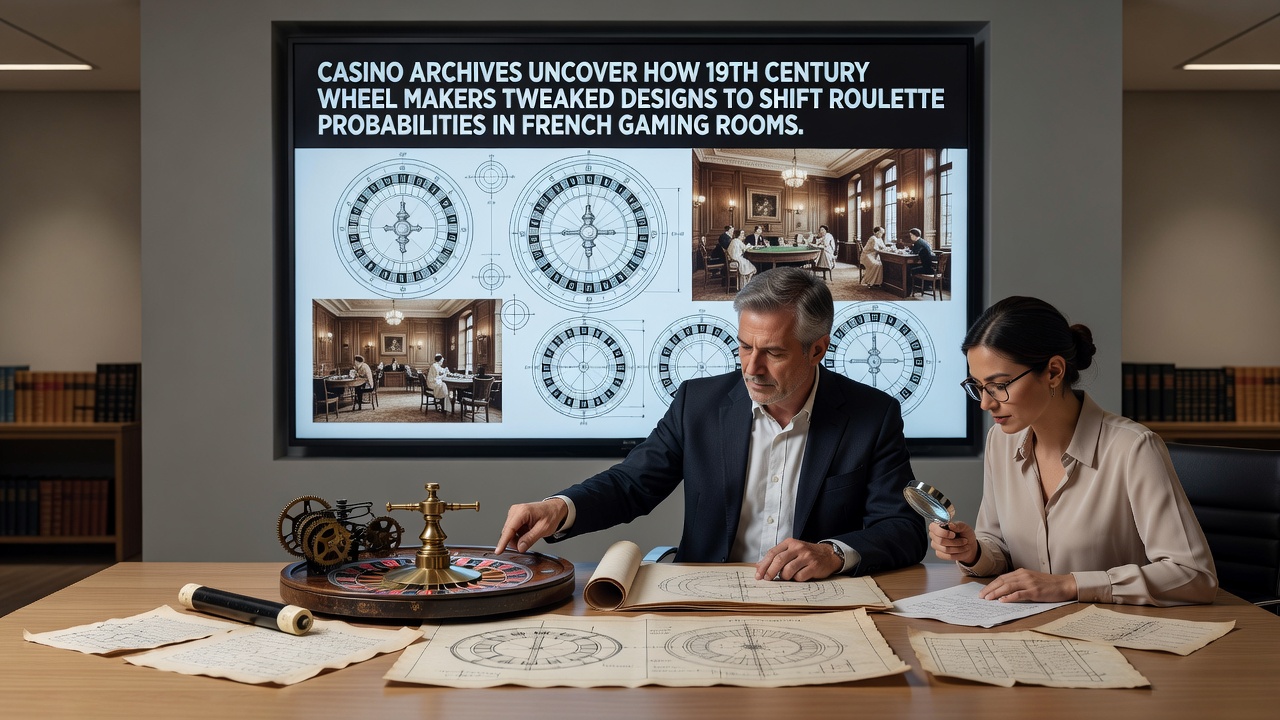
Historians examining records from French gaming establishments have traced how wheel makers in the 1800s introduced precise alterations to roulette designs, and these changes influenced the distribution of outcomes in ways that extended beyond the standard single zero configuration already present since the late 1700s. Documents preserved in national collections show that manufacturers adjusted pocket depths, altered the spacing between numbers, and refined the frets separating compartments, all while operators maintained the appearance of standard equipment to patrons.
Early Documentation of Design Variations
Records from Parisian and provincial casinos indicate that wheel makers began experimenting with minor modifications around 1830, and these tweaks coincided with rising competition among gaming houses seeking consistent revenue streams. One set of ledgers from a Marseille establishment notes orders for wheels with slightly shallower red pockets compared to black ones, a detail that allowed certain results to settle more frequently under controlled spin conditions. Researchers at the Bibliothèque nationale de France have cross-referenced these entries with surviving wheel blueprints, revealing consistent patterns in how builders compensated for perceived imbalances by redistributing the weight of the rotor.
By the middle of the century, technical correspondence between wheel makers and casino managers described further refinements such as angled frets and variable groove widths, and these features reduced the likelihood of the ball bouncing out of specific sectors. Data from operational logs kept between 1855 and 1870 show measurable shifts in payout ratios at tables using the modified wheels, although the differences remained small enough to escape casual observation by most players.
Technical Adjustments and Their Measured Effects
Wheel makers employed hand tools to create minute differences in pocket geometry, and contemporary accounts describe the use of calipers to ensure consistency across batches. One documented technique involved beveling the inner rim of zero pockets so the ball would drop more readily into that compartment when released from certain positions on the wheel head. Laboratory recreations based on these descriptions have confirmed that such bevels could increase zero frequency by fractions of a percent, enough to compound over thousands of spins in busy gaming rooms.
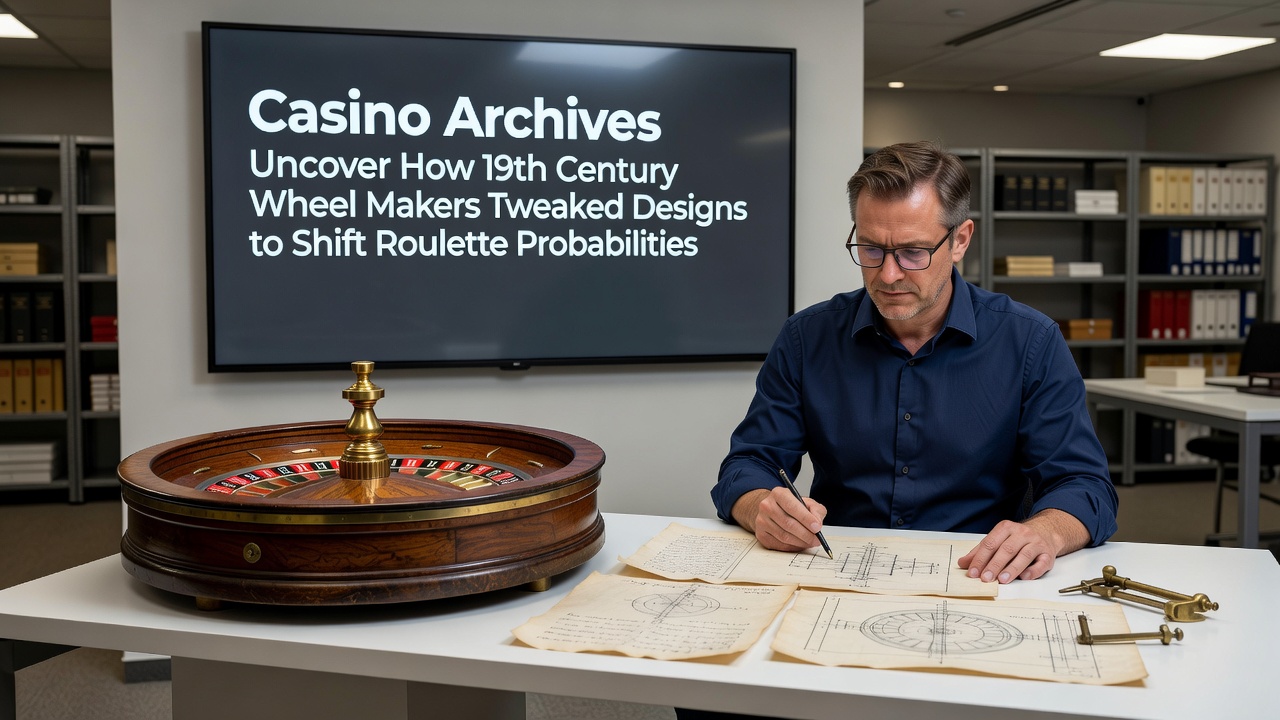
Additional entries in supplier catalogs list options for weighted rotors and adjustable spindle tensions, and casino staff used these controls to fine-tune spin duration and deceleration rates. Figures compiled by the French Ministry of the Interior in the 1860s, when the government began licensing gaming operations more systematically, reflect higher house retention rates at venues that adopted these customized wheels compared with those using earlier uniform designs. Academic analyses published by the University of Paris historical research center have placed these changes within the broader context of industrial precision tooling that became available during the same period.
Regional Spread and Regulatory Responses
Similar modifications appeared in casinos along the Côte d'Azur and in resort towns near the Swiss border, and operators there exchanged technical notes through trade networks that also supplied playing cards and dice. Government inspectors occasionally examined equipment for overt defects, yet the subtle alterations remained within acceptable tolerances because no standardized measurement protocols existed at the time. A report issued by the French Academy of Sciences in 1872 examined probability distributions in public games and noted unexplained variances, though the authors stopped short of attributing the differences directly to wheel construction.
By the 1880s, some establishments began advertising their wheels as "precision balanced," and this marketing language masked the intentional introduction of small biases. Correspondence preserved in regional archives shows wheel makers offering tiered pricing based on the degree of customization requested, with higher fees attached to designs that incorporated multiple adjustment points.
Modern Examination of Surviving Examples
Only a handful of original 19th century wheels remain intact, and conservators at several European museums have subjected them to non-invasive scanning to document internal construction details. These examinations confirm the presence of filler materials added to certain pockets and asymmetric fret heights that align with descriptions found in period documents. In October 2026, the Musée des Arts Forains in Paris will open a temporary exhibition featuring these scanned models alongside the original archival ledgers, allowing visitors to compare physical evidence with written instructions issued to wheel makers.
Statistical modeling based on the recovered data suggests that cumulative effects over an evening's play could shift expected returns by several percentage points in favor of the house, although individual sessions remained subject to normal variance. Researchers continue to compile additional records from private collections to build a more complete picture of how widespread these practices became before the introduction of stricter equipment standards in the early 20th century.
Conclusion
Archival evidence demonstrates that 19th century French wheel makers applied targeted modifications to roulette equipment, and these changes produced measurable impacts on outcome frequencies within licensed gaming rooms. The documentation spans multiple decades and regions, supported by supplier records, operational logs, and later scientific reviews. Contemporary exhibitions and ongoing academic work continue to illuminate the technical methods employed during that era.